Buy usatrip.org ?
We are moving the project
usatrip.org .
Are you interested in purchasing the domain
usatrip.org ?
domain@kv-gmbh.de · 0541-91531010
Buy usatrip.org ?
What does universalism mean?
Universalism is the belief in the universal principles that apply to all people, regardless of their background or beliefs. It emphasizes the idea of common humanity and shared values that transcend cultural, religious, or national differences. Universalism promotes inclusivity, equality, and the idea that all individuals deserve respect and dignity. It is often associated with the concept of human rights and the idea that certain rights and freedoms should be guaranteed to everyone. **
What is ethical universalism?
Ethical universalism is the belief that there are fundamental ethical principles that apply universally to all people, regardless of their culture, religion, or background. This perspective holds that certain moral values, such as honesty, fairness, and respect for others, are inherent and should be upheld by all individuals and societies. Ethical universalism emphasizes the importance of recognizing and respecting the common humanity and dignity of all people, and it promotes the idea that ethical standards should be consistent across different cultures and contexts. **


Similar search terms for Universalism
Top-Angebote
Products related to Universalism:
-
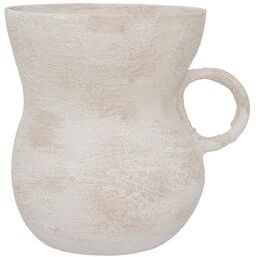
Urban Nature Culture Vase RelaxedQuiet elegancy comes to life in Urban Nature Culture's vase Relaxed. Handmade in Portugal, this ceramic vase has a shape beyond anything you've seen - it's organic, it flows and steals your heart with its playful ear.123,40 $*Shipping: 0,00 $Secure redirect to the provider
-
Urban Nature Culture Vase Ace - AceSetting forth a tradition that is centuries old, pottery has ever been one of Portugal's trades. Urban Nature Culture loves to work with Portuguese artisans - who use their skills to combine modern looks and contemporary design with techniques of old.145,60 $*Shipping: 0,00 $Secure redirect to the provider



-
What is the difference between universalism and relativism?
Universalism is the belief that there are universal moral principles that apply to all people, regardless of their cultural or societal context. It holds that there are objective standards of right and wrong that are applicable to all individuals. On the other hand, relativism is the belief that moral principles are not universal and that they vary depending on the cultural, societal, or individual context. Relativism holds that what is considered right or wrong is subjective and can differ from one culture or society to another. **
-
What is the difference between relativism and universalism philosophy?
Relativism is the belief that truth, morality, or knowledge is relative and not absolute, varying from person to person or culture to culture. It suggests that there are no universal truths or values. On the other hand, universalism is the belief that certain principles, values, or truths are applicable to all people, regardless of their cultural or individual differences. Universalism asserts that there are objective truths that hold true for everyone. In essence, relativism emphasizes diversity and subjectivity, while universalism emphasizes commonality and objectivity. **
-
Is man a being of nature or culture, or is culture the nature of man?
Man is a being of both nature and culture. While humans are inherently a part of the natural world, our ability to create and participate in culture sets us apart from other species. Culture shapes our beliefs, behaviors, and interactions with the world, becoming an essential part of our identity. Therefore, culture can be seen as the nature of man, as it influences and defines our existence in profound ways. **
-
Is man a creature of nature or culture, or is culture the nature of man?
Man is a complex being influenced by both nature and culture. While humans are inherently part of the natural world, our behaviors, beliefs, and practices are largely shaped by the societies we live in. Culture can be seen as the nature of man in the sense that it is a fundamental aspect of human existence, shaping our identities and interactions with the world. Ultimately, the relationship between nature and culture is intertwined in shaping the essence of humanity. **


Is culture a form of nature?
Culture is not a form of nature, but rather a product of human society. While culture can be influenced by nature and the environment, it is distinct in that it is created, shared, and passed down through generations by humans. Nature refers to the physical world and natural phenomena, while culture encompasses the beliefs, customs, arts, and social behaviors of a particular group of people. **
What reasons does Nida Rümelien give for ethical universalism, and I have only found one reason and there are no others?
Nida Rümelien argues for ethical universalism based on the idea that there are certain moral principles that are universally applicable to all individuals, regardless of cultural or societal differences. She believes that ethical universalism provides a foundation for promoting human rights and equality across diverse populations. Rümelien also suggests that ethical universalism can help foster understanding and cooperation among people from different backgrounds by emphasizing common values and principles. **
Top-Angebote
Products related to Universalism:
-
Urban Nature Culture Vase RelaxedQuiet elegancy comes to life in Urban Nature Culture's vase Relaxed. Handmade in Portugal, this ceramic vase has a shape beyond anything you've seen - it's organic, it flows and steals your heart with its playful ear.123,40 $*Shipping: 0,00 $Secure redirect to the provider
-
What does universalism mean?
Universalism is the belief in the universal principles that apply to all people, regardless of their background or beliefs. It emphasizes the idea of common humanity and shared values that transcend cultural, religious, or national differences. Universalism promotes inclusivity, equality, and the idea that all individuals deserve respect and dignity. It is often associated with the concept of human rights and the idea that certain rights and freedoms should be guaranteed to everyone. **
-
What is ethical universalism?
Ethical universalism is the belief that there are fundamental ethical principles that apply universally to all people, regardless of their culture, religion, or background. This perspective holds that certain moral values, such as honesty, fairness, and respect for others, are inherent and should be upheld by all individuals and societies. Ethical universalism emphasizes the importance of recognizing and respecting the common humanity and dignity of all people, and it promotes the idea that ethical standards should be consistent across different cultures and contexts. **
-
What is the difference between universalism and relativism?
Universalism is the belief that there are universal moral principles that apply to all people, regardless of their cultural or societal context. It holds that there are objective standards of right and wrong that are applicable to all individuals. On the other hand, relativism is the belief that moral principles are not universal and that they vary depending on the cultural, societal, or individual context. Relativism holds that what is considered right or wrong is subjective and can differ from one culture or society to another. **
-
What is the difference between relativism and universalism philosophy?
Relativism is the belief that truth, morality, or knowledge is relative and not absolute, varying from person to person or culture to culture. It suggests that there are no universal truths or values. On the other hand, universalism is the belief that certain principles, values, or truths are applicable to all people, regardless of their cultural or individual differences. Universalism asserts that there are objective truths that hold true for everyone. In essence, relativism emphasizes diversity and subjectivity, while universalism emphasizes commonality and objectivity. **
Similar search terms for Universalism
-
Urban Nature Culture Vase Ace - AceSetting forth a tradition that is centuries old, pottery has ever been one of Portugal's trades. Urban Nature Culture loves to work with Portuguese artisans - who use their skills to combine modern looks and contemporary design with techniques of old.145,60 $*Shipping: 0,00 $Secure redirect to the provider
-
Urban Nature Culture Vase Talvi - WhiteFloating the sea waves, a sense of calm takes over, feeling at home in the world. That same feeling we get at home, like a safe haven to relax our senses and feast our eyes on our most cherished things.267,80 $*Shipping: 0,00 $Secure redirect to the provider
-
Urban Nature Culture Vase Pebbles White - White"""We can choose to throw stones, to stumble on them, to climb over them or to build with them."" William Arthur Ward Urban Nature Culture chooses to build with stones, and create a one-of-a-kind vase with a playful character."95,70 $*Shipping: 0,00 $Secure redirect to the provider
-
Is man a being of nature or culture, or is culture the nature of man?
Man is a being of both nature and culture. While humans are inherently a part of the natural world, our ability to create and participate in culture sets us apart from other species. Culture shapes our beliefs, behaviors, and interactions with the world, becoming an essential part of our identity. Therefore, culture can be seen as the nature of man, as it influences and defines our existence in profound ways. **
-
Is man a creature of nature or culture, or is culture the nature of man?
Man is a complex being influenced by both nature and culture. While humans are inherently part of the natural world, our behaviors, beliefs, and practices are largely shaped by the societies we live in. Culture can be seen as the nature of man in the sense that it is a fundamental aspect of human existence, shaping our identities and interactions with the world. Ultimately, the relationship between nature and culture is intertwined in shaping the essence of humanity. **
-
Is culture a form of nature?
Culture is not a form of nature, but rather a product of human society. While culture can be influenced by nature and the environment, it is distinct in that it is created, shared, and passed down through generations by humans. Nature refers to the physical world and natural phenomena, while culture encompasses the beliefs, customs, arts, and social behaviors of a particular group of people. **
-
What reasons does Nida Rümelien give for ethical universalism, and I have only found one reason and there are no others?
Nida Rümelien argues for ethical universalism based on the idea that there are certain moral principles that are universally applicable to all individuals, regardless of cultural or societal differences. She believes that ethical universalism provides a foundation for promoting human rights and equality across diverse populations. Rümelien also suggests that ethical universalism can help foster understanding and cooperation among people from different backgrounds by emphasizing common values and principles. **
* All prices are inclusive of VAT and, if applicable, plus shipping costs. The offer information is based on the details provided by the respective shop and is updated through automated processes. Real-time updates do not occur, so deviations can occur in individual cases. ** Note: Parts of this content were created by AI.