Buy usatrip.org ?
We are moving the project
usatrip.org .
Are you interested in purchasing the domain
usatrip.org ?
domain@kv-gmbh.de · 0541-91531010
Buy usatrip.org ?
Can one escape the cycle of samsara?
In Hinduism and Buddhism, samsara refers to the cycle of birth, death, and rebirth. Both religions believe that individuals can escape this cycle through spiritual enlightenment and liberation (moksha or nirvana). This can be achieved through following the teachings of the religion, practicing meditation, and leading a virtuous life. Ultimately, the goal is to break free from the cycle of samsara and attain a state of eternal peace and liberation. **
Why is Samsara considered something negative by Hindus?
Samsara is considered negative by Hindus because it represents the cycle of birth, death, and rebirth, which is characterized by suffering and impermanence. Hindus believe that the ultimate goal is to break free from this cycle and attain moksha, or liberation from the cycle of reincarnation. Samsara is seen as a state of bondage to worldly desires and attachments, which prevent individuals from realizing their true nature and achieving spiritual enlightenment. Therefore, Hindus strive to live a virtuous life and practice spiritual disciplines to ultimately transcend the cycle of Samsara. **


Similar search terms for Samsara
Top-Angebote
Products related to Samsara:
-
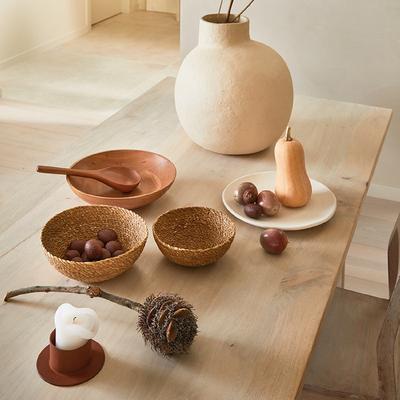
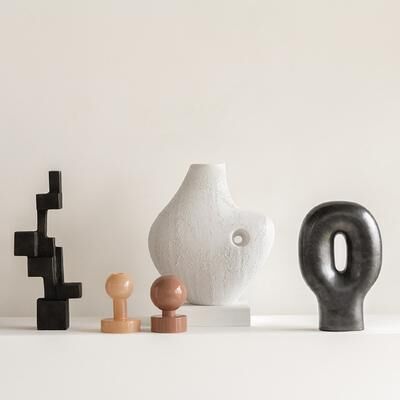
Urban Nature Culture Vase RelaxedQuiet elegancy comes to life in Urban Nature Culture's vase Relaxed. Handmade in Portugal, this ceramic vase has a shape beyond anything you've seen - it's organic, it flows and steals your heart with its playful ear.123,40 $*Shipping: 0,00 $Secure redirect to the provider
-
Urban Nature Culture Vase Talvi - WhiteFloating the sea waves, a sense of calm takes over, feeling at home in the world. That same feeling we get at home, like a safe haven to relax our senses and feast our eyes on our most cherished things.267,80 $*Shipping: 0,00 $Secure redirect to the provider


-
Why is Samsara considered something negative for Hindus?
Samsara is considered something negative for Hindus because it represents the cycle of birth, death, and rebirth that is characterized by suffering and impermanence. The continuous cycle of samsara is seen as a form of bondage that prevents individuals from achieving liberation (moksha) and ultimate spiritual freedom. Hindus believe that breaking free from the cycle of samsara is essential to attaining enlightenment and reaching a state of eternal bliss and oneness with the divine. **
-
What is the existence of Samsara and Karma?
Samsara is the cycle of birth, death, and rebirth in Hinduism, Buddhism, and other Indian religions. It is the belief that all living beings go through this cycle, experiencing different lives and deaths until they reach enlightenment and break free from the cycle. Karma, on the other hand, is the concept that the actions and intentions of an individual have consequences in this life and the next. It is the belief that one's actions and thoughts create a cycle of cause and effect, influencing their future experiences and lives in Samsara. Together, Samsara and Karma form the basis of the moral and spiritual framework in these religions, guiding individuals towards enlightenment and liberation from the cycle of rebirth. **
-
What is the connection between Samsara, Karma, and Moksha?
Samsara, Karma, and Moksha are interconnected concepts in Hinduism. Samsara refers to the cycle of birth, death, and rebirth that all living beings go through. Karma is the law of cause and effect, where one's actions in this life will determine their future lives in Samsara. Moksha, on the other hand, is the ultimate goal of liberation from this cycle of rebirth and achieving union with the divine. By understanding and following the principles of Karma, individuals can ultimately attain Moksha and break free from the cycle of Samsara. **
-
What is the connection between Dharma, Samsara, and Karma?
Dharma, Samsara, and Karma are interconnected concepts in Hinduism and Buddhism. Dharma refers to the moral and ethical duties and responsibilities that individuals must follow in order to live a righteous life. Samsara is the cycle of birth, death, and rebirth that individuals go through as they experience the consequences of their actions. Karma is the law of cause and effect, where one's actions in this life will determine their future experiences in Samsara. Together, these concepts emphasize the importance of living a virtuous life in order to break free from the cycle of Samsara and achieve spiritual liberation. **


Are plants also affected by karma as part of samsara?
In the concept of samsara, all living beings are subject to the cycle of birth, death, and rebirth, and are influenced by the law of karma. This includes plants, as they are also considered living beings in many spiritual traditions. According to the concept of karma, the actions and intentions of all living beings, including plants, have consequences that can affect their future experiences and existence. Therefore, plants are also believed to be affected by karma as part of samsara. **
Is man a being of nature or culture, or is culture the nature of man?
Man is a being of both nature and culture. While humans are inherently a part of the natural world, our ability to create and participate in culture sets us apart from other species. Culture shapes our beliefs, behaviors, and interactions with the world, becoming an essential part of our identity. Therefore, culture can be seen as the nature of man, as it influences and defines our existence in profound ways. **
Top-Angebote
Products related to Samsara:
-
Urban Nature Culture Vase RelaxedQuiet elegancy comes to life in Urban Nature Culture's vase Relaxed. Handmade in Portugal, this ceramic vase has a shape beyond anything you've seen - it's organic, it flows and steals your heart with its playful ear.123,40 $*Shipping: 0,00 $Secure redirect to the provider
-
Can one escape the cycle of samsara?
In Hinduism and Buddhism, samsara refers to the cycle of birth, death, and rebirth. Both religions believe that individuals can escape this cycle through spiritual enlightenment and liberation (moksha or nirvana). This can be achieved through following the teachings of the religion, practicing meditation, and leading a virtuous life. Ultimately, the goal is to break free from the cycle of samsara and attain a state of eternal peace and liberation. **
-
Why is Samsara considered something negative by Hindus?
Samsara is considered negative by Hindus because it represents the cycle of birth, death, and rebirth, which is characterized by suffering and impermanence. Hindus believe that the ultimate goal is to break free from this cycle and attain moksha, or liberation from the cycle of reincarnation. Samsara is seen as a state of bondage to worldly desires and attachments, which prevent individuals from realizing their true nature and achieving spiritual enlightenment. Therefore, Hindus strive to live a virtuous life and practice spiritual disciplines to ultimately transcend the cycle of Samsara. **
-
Why is Samsara considered something negative for Hindus?
Samsara is considered something negative for Hindus because it represents the cycle of birth, death, and rebirth that is characterized by suffering and impermanence. The continuous cycle of samsara is seen as a form of bondage that prevents individuals from achieving liberation (moksha) and ultimate spiritual freedom. Hindus believe that breaking free from the cycle of samsara is essential to attaining enlightenment and reaching a state of eternal bliss and oneness with the divine. **
-
What is the existence of Samsara and Karma?
Samsara is the cycle of birth, death, and rebirth in Hinduism, Buddhism, and other Indian religions. It is the belief that all living beings go through this cycle, experiencing different lives and deaths until they reach enlightenment and break free from the cycle. Karma, on the other hand, is the concept that the actions and intentions of an individual have consequences in this life and the next. It is the belief that one's actions and thoughts create a cycle of cause and effect, influencing their future experiences and lives in Samsara. Together, Samsara and Karma form the basis of the moral and spiritual framework in these religions, guiding individuals towards enlightenment and liberation from the cycle of rebirth. **
Similar search terms for Samsara
-
Urban Nature Culture Vase Talvi - WhiteFloating the sea waves, a sense of calm takes over, feeling at home in the world. That same feeling we get at home, like a safe haven to relax our senses and feast our eyes on our most cherished things.267,80 $*Shipping: 0,00 $Secure redirect to the provider
-
Urban Nature Culture Vase Ace - AceSetting forth a tradition that is centuries old, pottery has ever been one of Portugal's trades. Urban Nature Culture loves to work with Portuguese artisans - who use their skills to combine modern looks and contemporary design with techniques of old.145,60 $*Shipping: 0,00 $Secure redirect to the provider
-
What is the connection between Samsara, Karma, and Moksha?
Samsara, Karma, and Moksha are interconnected concepts in Hinduism. Samsara refers to the cycle of birth, death, and rebirth that all living beings go through. Karma is the law of cause and effect, where one's actions in this life will determine their future lives in Samsara. Moksha, on the other hand, is the ultimate goal of liberation from this cycle of rebirth and achieving union with the divine. By understanding and following the principles of Karma, individuals can ultimately attain Moksha and break free from the cycle of Samsara. **
-
What is the connection between Dharma, Samsara, and Karma?
Dharma, Samsara, and Karma are interconnected concepts in Hinduism and Buddhism. Dharma refers to the moral and ethical duties and responsibilities that individuals must follow in order to live a righteous life. Samsara is the cycle of birth, death, and rebirth that individuals go through as they experience the consequences of their actions. Karma is the law of cause and effect, where one's actions in this life will determine their future experiences in Samsara. Together, these concepts emphasize the importance of living a virtuous life in order to break free from the cycle of Samsara and achieve spiritual liberation. **
-
Are plants also affected by karma as part of samsara?
In the concept of samsara, all living beings are subject to the cycle of birth, death, and rebirth, and are influenced by the law of karma. This includes plants, as they are also considered living beings in many spiritual traditions. According to the concept of karma, the actions and intentions of all living beings, including plants, have consequences that can affect their future experiences and existence. Therefore, plants are also believed to be affected by karma as part of samsara. **
-
Is man a being of nature or culture, or is culture the nature of man?
Man is a being of both nature and culture. While humans are inherently a part of the natural world, our ability to create and participate in culture sets us apart from other species. Culture shapes our beliefs, behaviors, and interactions with the world, becoming an essential part of our identity. Therefore, culture can be seen as the nature of man, as it influences and defines our existence in profound ways. **
* All prices are inclusive of VAT and, if applicable, plus shipping costs. The offer information is based on the details provided by the respective shop and is updated through automated processes. Real-time updates do not occur, so deviations can occur in individual cases. ** Note: Parts of this content were created by AI.