Buy usatrip.org ?
We are moving the project
usatrip.org .
Are you interested in purchasing the domain
usatrip.org ?
domain@kv-gmbh.de · 0541-91531010
Buy usatrip.org ?
What are the differences between totipotent, pluripotent, multipotent, and unipotent stem cells?
Totipotent stem cells have the ability to differentiate into any type of cell in the body, including extraembryonic tissues. Pluripotent stem cells can differentiate into any type of cell in the body, but not into extraembryonic tissues. Multipotent stem cells can differentiate into a limited range of cell types within a particular tissue or organ. Unipotent stem cells can only differentiate into one specific type of cell. Overall, the main difference lies in the range of cell types that each type of stem cell can differentiate into. **
What is the difference between multipotent hematopoietic stem cells and hematopoietic stem cells?
Multipotent hematopoietic stem cells are a type of hematopoietic stem cell that have the ability to differentiate into multiple types of blood cells, such as red blood cells, white blood cells, and platelets. Hematopoietic stem cells, on the other hand, are a broader category of stem cells that include both multipotent and pluripotent stem cells. While multipotent hematopoietic stem cells can only differentiate into blood cells, hematopoietic stem cells can also give rise to other types of cells, such as immune cells and bone marrow stromal cells. **


Similar search terms for Multipotent
Top-Angebote
Products related to Multipotent:
-
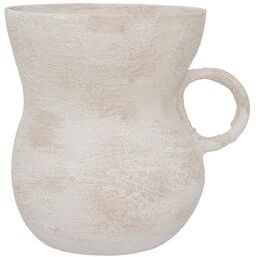
Urban Nature Culture Vase RelaxedQuiet elegancy comes to life in Urban Nature Culture's vase Relaxed. Handmade in Portugal, this ceramic vase has a shape beyond anything you've seen - it's organic, it flows and steals your heart with its playful ear.123,40 $*Shipping: 0,00 $Secure redirect to the provider
-
Urban Nature Culture Vase Ace - AceSetting forth a tradition that is centuries old, pottery has ever been one of Portugal's trades. Urban Nature Culture loves to work with Portuguese artisans - who use their skills to combine modern looks and contemporary design with techniques of old.145,60 $*Shipping: 0,00 $Secure redirect to the provider


-
Is man a being of nature or culture, or is culture the nature of man?
Man is a being of both nature and culture. While humans are inherently a part of the natural world, our ability to create and participate in culture sets us apart from other species. Culture shapes our beliefs, behaviors, and interactions with the world, becoming an essential part of our identity. Therefore, culture can be seen as the nature of man, as it influences and defines our existence in profound ways. **
-
Is man a creature of nature or culture, or is culture the nature of man?
Man is a complex being influenced by both nature and culture. While humans are inherently part of the natural world, our behaviors, beliefs, and practices are largely shaped by the societies we live in. Culture can be seen as the nature of man in the sense that it is a fundamental aspect of human existence, shaping our identities and interactions with the world. Ultimately, the relationship between nature and culture is intertwined in shaping the essence of humanity. **
-
Is culture a form of nature?
Culture is not a form of nature, but rather a product of human society. While culture can be influenced by nature and the environment, it is distinct in that it is created, shared, and passed down through generations by humans. Nature refers to the physical world and natural phenomena, while culture encompasses the beliefs, customs, arts, and social behaviors of a particular group of people. **
-
What are the differences between embryonic stem cells, omnipotent stem cells, adult stem cells, totipotent stem cells, and multipotent stem cells?
Embryonic stem cells are derived from embryos and have the potential to develop into any type of cell in the body. Omnipotent stem cells, also known as pluripotent stem cells, are similar to embryonic stem cells in that they can differentiate into any type of cell, but they are derived from adult tissues. Adult stem cells are found in various tissues and have the ability to differentiate into a limited range of cell types. Totipotent stem cells have the highest potential for differentiation and can develop into any type of cell, as well as into extraembryonic tissues such as the placenta. Multipotent stem cells can differentiate into a limited number of cell types, typically within a specific tissue or organ. **
Is man a being of nature or culture?
Man is a being of both nature and culture. While humans are a part of the natural world and share many characteristics with other animals, they also possess the ability to create and participate in complex cultural systems. Culture shapes human behavior, beliefs, and values, influencing how individuals interact with their environment. Ultimately, humans exist at the intersection of nature and culture, with both aspects playing a significant role in shaping their identities and experiences. **
Is man a creature of nature or of culture?
Man is a creature of both nature and culture. While humans are biologically part of the natural world, our behaviors, beliefs, and social structures are heavily influenced by the cultures we are raised in. Culture shapes our values, norms, and ways of interacting with the world, but our biological instincts and needs also play a significant role in shaping who we are. Ultimately, humans are a complex blend of both natural and cultural influences. **
Top-Angebote
Products related to Multipotent:
-
Urban Nature Culture Vase RelaxedQuiet elegancy comes to life in Urban Nature Culture's vase Relaxed. Handmade in Portugal, this ceramic vase has a shape beyond anything you've seen - it's organic, it flows and steals your heart with its playful ear.123,40 $*Shipping: 0,00 $Secure redirect to the provider
-
What are the differences between totipotent, pluripotent, multipotent, and unipotent stem cells?
Totipotent stem cells have the ability to differentiate into any type of cell in the body, including extraembryonic tissues. Pluripotent stem cells can differentiate into any type of cell in the body, but not into extraembryonic tissues. Multipotent stem cells can differentiate into a limited range of cell types within a particular tissue or organ. Unipotent stem cells can only differentiate into one specific type of cell. Overall, the main difference lies in the range of cell types that each type of stem cell can differentiate into. **
-
What is the difference between multipotent hematopoietic stem cells and hematopoietic stem cells?
Multipotent hematopoietic stem cells are a type of hematopoietic stem cell that have the ability to differentiate into multiple types of blood cells, such as red blood cells, white blood cells, and platelets. Hematopoietic stem cells, on the other hand, are a broader category of stem cells that include both multipotent and pluripotent stem cells. While multipotent hematopoietic stem cells can only differentiate into blood cells, hematopoietic stem cells can also give rise to other types of cells, such as immune cells and bone marrow stromal cells. **
-
Is man a being of nature or culture, or is culture the nature of man?
Man is a being of both nature and culture. While humans are inherently a part of the natural world, our ability to create and participate in culture sets us apart from other species. Culture shapes our beliefs, behaviors, and interactions with the world, becoming an essential part of our identity. Therefore, culture can be seen as the nature of man, as it influences and defines our existence in profound ways. **
-
Is man a creature of nature or culture, or is culture the nature of man?
Man is a complex being influenced by both nature and culture. While humans are inherently part of the natural world, our behaviors, beliefs, and practices are largely shaped by the societies we live in. Culture can be seen as the nature of man in the sense that it is a fundamental aspect of human existence, shaping our identities and interactions with the world. Ultimately, the relationship between nature and culture is intertwined in shaping the essence of humanity. **
Similar search terms for Multipotent
-
Urban Nature Culture Vase Ace - AceSetting forth a tradition that is centuries old, pottery has ever been one of Portugal's trades. Urban Nature Culture loves to work with Portuguese artisans - who use their skills to combine modern looks and contemporary design with techniques of old.145,60 $*Shipping: 0,00 $Secure redirect to the provider
-
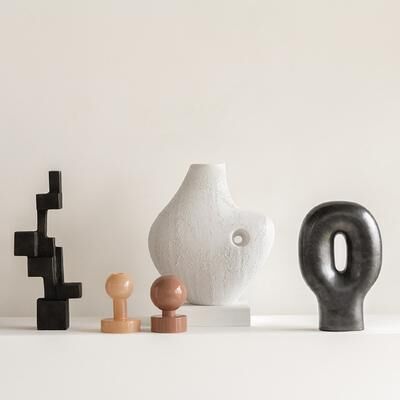
Urban Nature Culture Vase Talvi - WhiteFloating the sea waves, a sense of calm takes over, feeling at home in the world. That same feeling we get at home, like a safe haven to relax our senses and feast our eyes on our most cherished things.267,80 $*Shipping: 0,00 $Secure redirect to the provider
-
Is culture a form of nature?
Culture is not a form of nature, but rather a product of human society. While culture can be influenced by nature and the environment, it is distinct in that it is created, shared, and passed down through generations by humans. Nature refers to the physical world and natural phenomena, while culture encompasses the beliefs, customs, arts, and social behaviors of a particular group of people. **
-
What are the differences between embryonic stem cells, omnipotent stem cells, adult stem cells, totipotent stem cells, and multipotent stem cells?
Embryonic stem cells are derived from embryos and have the potential to develop into any type of cell in the body. Omnipotent stem cells, also known as pluripotent stem cells, are similar to embryonic stem cells in that they can differentiate into any type of cell, but they are derived from adult tissues. Adult stem cells are found in various tissues and have the ability to differentiate into a limited range of cell types. Totipotent stem cells have the highest potential for differentiation and can develop into any type of cell, as well as into extraembryonic tissues such as the placenta. Multipotent stem cells can differentiate into a limited number of cell types, typically within a specific tissue or organ. **
-
Is man a being of nature or culture?
Man is a being of both nature and culture. While humans are a part of the natural world and share many characteristics with other animals, they also possess the ability to create and participate in complex cultural systems. Culture shapes human behavior, beliefs, and values, influencing how individuals interact with their environment. Ultimately, humans exist at the intersection of nature and culture, with both aspects playing a significant role in shaping their identities and experiences. **
-
Is man a creature of nature or of culture?
Man is a creature of both nature and culture. While humans are biologically part of the natural world, our behaviors, beliefs, and social structures are heavily influenced by the cultures we are raised in. Culture shapes our values, norms, and ways of interacting with the world, but our biological instincts and needs also play a significant role in shaping who we are. Ultimately, humans are a complex blend of both natural and cultural influences. **
* All prices are inclusive of VAT and, if applicable, plus shipping costs. The offer information is based on the details provided by the respective shop and is updated through automated processes. Real-time updates do not occur, so deviations can occur in individual cases. ** Note: Parts of this content were created by AI.