Buy usatrip.org ?
We are moving the project
usatrip.org .
Are you interested in purchasing the domain
usatrip.org ?
domain@kv-gmbh.de · 0541-91531010
Buy usatrip.org ?
What are isosceles triangles?
Isosceles triangles are a type of triangle that has two sides of equal length. This means that two of the three angles in the triangle are also equal in measure. The third side, called the base, is typically of a different length than the other two sides. Isosceles triangles have a line of symmetry that divides the triangle into two equal halves. **
Are all axisymmetric triangles isosceles?
No, not all axisymmetric triangles are isosceles. An axisymmetric triangle is a triangle that can be rotated 180 degrees and still look the same. Isosceles triangles are a specific type of triangle where two sides are equal in length. While an isosceles triangle can be axisymmetric, not all axisymmetric triangles are isosceles. **
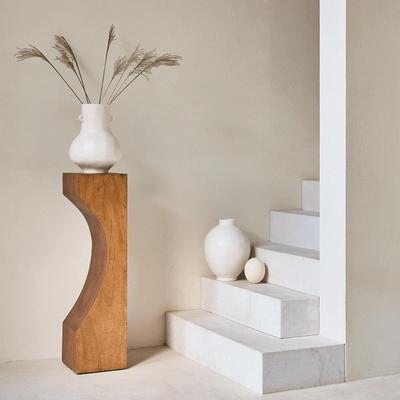

Similar search terms for Isosceles
Top-Angebote
Products related to Isosceles:
-
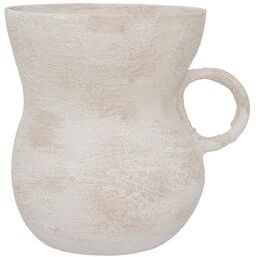
Urban Nature Culture Vase RelaxedQuiet elegancy comes to life in Urban Nature Culture's vase Relaxed. Handmade in Portugal, this ceramic vase has a shape beyond anything you've seen - it's organic, it flows and steals your heart with its playful ear.123,40 $*Shipping: 0,00 $Secure redirect to the provider
-
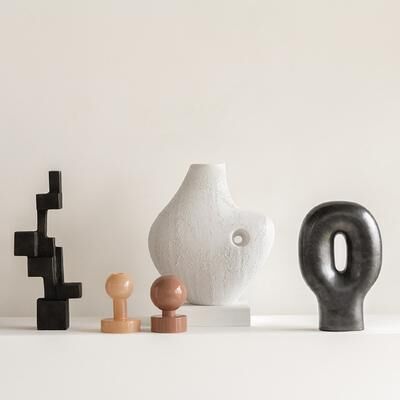
Urban Nature Culture Vase Talvi - WhiteFloating the sea waves, a sense of calm takes over, feeling at home in the world. That same feeling we get at home, like a safe haven to relax our senses and feast our eyes on our most cherished things.267,80 $*Shipping: 0,00 $Secure redirect to the provider


-
Are two isosceles triangles similar?
Yes, two isosceles triangles can be similar. If two isosceles triangles have the same angle measurements, then they are similar. This is because the corresponding sides of the triangles are in the same proportion. However, it is important to note that not all isosceles triangles are similar, as the angle measurements must be the same for the triangles to be similar. **
-
What is an isosceles trapezoid?
An isosceles trapezoid is a quadrilateral with two parallel sides of unequal length and two non-parallel sides of equal length. The two non-parallel sides are called the legs, and the two parallel sides are called the bases. The angles between the bases and each leg are congruent, making it a special type of trapezoid. The diagonals of an isosceles trapezoid are also congruent, and the midpoint of the diagonals forms a right angle. **
-
What is an isosceles triangle?
An isosceles triangle is a type of triangle that has two sides of equal length. This means that two of the three angles in the triangle are also equal. The third side, known as the base, is typically of a different length than the other two sides. The equal angles are opposite the equal sides, and the angle opposite the base is typically different. Isosceles triangles have a number of unique properties and are commonly used in geometry and trigonometry. **
-
Are some isosceles trapezoids parallelograms?
No, isosceles trapezoids are not parallelograms. While both shapes have parallel sides, isosceles trapezoids have only one pair of parallel sides, while parallelograms have two pairs of parallel sides. Additionally, the non-parallel sides of an isosceles trapezoid are not equal in length, while the non-parallel sides of a parallelogram are equal in length. Therefore, isosceles trapezoids and parallelograms are distinct types of quadrilaterals. **

Are some isosceles triangles also equilateral?
Yes, some isosceles triangles can also be equilateral. An equilateral triangle is a special case of an isosceles triangle where all three sides are equal in length. Therefore, any equilateral triangle is also an isosceles triangle. However, not all isosceles triangles are equilateral, as isosceles triangles only require two sides to be of equal length. **
What is the task involving isosceles triangles?
The task involving isosceles triangles typically involves identifying and working with triangles that have two sides of equal length. This can include determining the measures of angles in the triangle, calculating the area or perimeter of the triangle, or solving for unknown side lengths using properties specific to isosceles triangles. Understanding the properties and relationships of isosceles triangles is essential in solving problems related to these types of triangles. **
Top-Angebote
Products related to Isosceles:
-
Urban Nature Culture Vase RelaxedQuiet elegancy comes to life in Urban Nature Culture's vase Relaxed. Handmade in Portugal, this ceramic vase has a shape beyond anything you've seen - it's organic, it flows and steals your heart with its playful ear.123,40 $*Shipping: 0,00 $Secure redirect to the provider
-
What are isosceles triangles?
Isosceles triangles are a type of triangle that has two sides of equal length. This means that two of the three angles in the triangle are also equal in measure. The third side, called the base, is typically of a different length than the other two sides. Isosceles triangles have a line of symmetry that divides the triangle into two equal halves. **
-
Are all axisymmetric triangles isosceles?
No, not all axisymmetric triangles are isosceles. An axisymmetric triangle is a triangle that can be rotated 180 degrees and still look the same. Isosceles triangles are a specific type of triangle where two sides are equal in length. While an isosceles triangle can be axisymmetric, not all axisymmetric triangles are isosceles. **
-
Are two isosceles triangles similar?
Yes, two isosceles triangles can be similar. If two isosceles triangles have the same angle measurements, then they are similar. This is because the corresponding sides of the triangles are in the same proportion. However, it is important to note that not all isosceles triangles are similar, as the angle measurements must be the same for the triangles to be similar. **
-
What is an isosceles trapezoid?
An isosceles trapezoid is a quadrilateral with two parallel sides of unequal length and two non-parallel sides of equal length. The two non-parallel sides are called the legs, and the two parallel sides are called the bases. The angles between the bases and each leg are congruent, making it a special type of trapezoid. The diagonals of an isosceles trapezoid are also congruent, and the midpoint of the diagonals forms a right angle. **
Similar search terms for Isosceles
-
Urban Nature Culture Vase Talvi - WhiteFloating the sea waves, a sense of calm takes over, feeling at home in the world. That same feeling we get at home, like a safe haven to relax our senses and feast our eyes on our most cherished things.267,80 $*Shipping: 0,00 $Secure redirect to the provider
-
Urban Nature Culture Vase Ace - AceSetting forth a tradition that is centuries old, pottery has ever been one of Portugal's trades. Urban Nature Culture loves to work with Portuguese artisans - who use their skills to combine modern looks and contemporary design with techniques of old.145,60 $*Shipping: 0,00 $Secure redirect to the provider
-
What is an isosceles triangle?
An isosceles triangle is a type of triangle that has two sides of equal length. This means that two of the three angles in the triangle are also equal. The third side, known as the base, is typically of a different length than the other two sides. The equal angles are opposite the equal sides, and the angle opposite the base is typically different. Isosceles triangles have a number of unique properties and are commonly used in geometry and trigonometry. **
-
Are some isosceles trapezoids parallelograms?
No, isosceles trapezoids are not parallelograms. While both shapes have parallel sides, isosceles trapezoids have only one pair of parallel sides, while parallelograms have two pairs of parallel sides. Additionally, the non-parallel sides of an isosceles trapezoid are not equal in length, while the non-parallel sides of a parallelogram are equal in length. Therefore, isosceles trapezoids and parallelograms are distinct types of quadrilaterals. **
-
Are some isosceles triangles also equilateral?
Yes, some isosceles triangles can also be equilateral. An equilateral triangle is a special case of an isosceles triangle where all three sides are equal in length. Therefore, any equilateral triangle is also an isosceles triangle. However, not all isosceles triangles are equilateral, as isosceles triangles only require two sides to be of equal length. **
-
What is the task involving isosceles triangles?
The task involving isosceles triangles typically involves identifying and working with triangles that have two sides of equal length. This can include determining the measures of angles in the triangle, calculating the area or perimeter of the triangle, or solving for unknown side lengths using properties specific to isosceles triangles. Understanding the properties and relationships of isosceles triangles is essential in solving problems related to these types of triangles. **
* All prices are inclusive of VAT and, if applicable, plus shipping costs. The offer information is based on the details provided by the respective shop and is updated through automated processes. Real-time updates do not occur, so deviations can occur in individual cases. ** Note: Parts of this content were created by AI.