Buy usatrip.org ?
We are moving the project
usatrip.org .
Are you interested in purchasing the domain
usatrip.org ?
domain@kv-gmbh.de · 0541-91531010
Buy usatrip.org ?
How does iron occur in nature?
Iron occurs in nature primarily in the form of iron ores, which are rocks and minerals from which metallic iron can be extracted. The most common iron ore is hematite, which is a type of iron oxide. Iron can also be found in magnetite, limonite, and siderite ores. These ores are typically mined and processed to extract the iron, which is then used in various industrial applications. **
Why do iron-3 compounds occur more frequently in nature than iron-2 compounds?
Iron-3 compounds occur more frequently in nature than iron-2 compounds because iron has a natural tendency to oxidize and form iron-3 ions. This is due to the relative stability of the iron-3 oxidation state compared to the iron-2 oxidation state. Additionally, iron-3 compounds are more thermodynamically stable and are often formed through natural processes such as oxidation reactions in the presence of oxygen. As a result, iron-3 compounds are more commonly found in minerals, rocks, and biological systems in nature. **

Similar search terms for Iron
Top-Angebote
Products related to Iron:
-
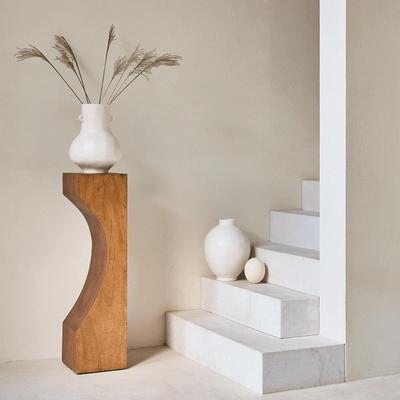
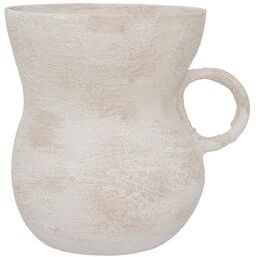
Urban Nature Culture Vase RelaxedQuiet elegancy comes to life in Urban Nature Culture's vase Relaxed. Handmade in Portugal, this ceramic vase has a shape beyond anything you've seen - it's organic, it flows and steals your heart with its playful ear.123,40 $*Shipping: 0,00 $Secure redirect to the provider
-
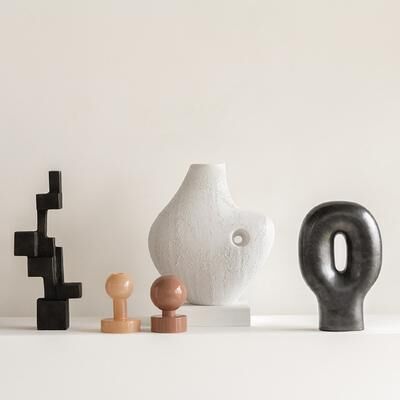
ARCILLA ELEMENTAL Turquoise Iron Contemporary Sculpture Nature 37 x 13 x 6This will make your contemporary style living space more interesting when displayed on tables or on the floor. Designed with felt or rubber stoppers at the base that prevent scratching furniture and table tops, as well as sliding around.77,99 $*Shipping: 0,00 $Secure redirect to the provider



-
Where does iron occur in nature and why?
Iron occurs naturally in the Earth's crust, primarily in the form of iron ores such as hematite, magnetite, and siderite. These ores are typically found in sedimentary rocks and are the result of geological processes that concentrated iron into deposits over millions of years. Iron is abundant in nature because it is a common element formed during the fusion of lighter elements in stars, making it one of the most abundant metals on Earth. **
-
Where can native iron be found in nature?
Native iron can be found in nature in a few different forms. One common source is in meteorites, which are chunks of rock and metal that have fallen to Earth from space. Native iron can also be found in certain mineral deposits, such as in the form of iron-nickel alloys. Additionally, some rare terrestrial occurrences of native iron can be found in certain volcanic environments. **
-
Steam iron or regular iron?
It ultimately depends on personal preference and needs. A steam iron is typically more efficient at removing wrinkles and can also be used vertically to steam hanging garments. However, a regular iron may be preferred for those who prefer a simpler, more traditional ironing experience. **
-
Iron or cast iron pan?
It depends on the type of cooking you are doing. Iron pans are lighter and heat up faster, making them great for sautéing and frying. Cast iron pans, on the other hand, are heavier and retain heat well, making them ideal for searing and baking. Both types of pans have their own advantages, so it's best to have both in your kitchen for different cooking needs. **

Why does iron not occur in nature as an element?
Iron does not occur in nature as an element because it is highly reactive and readily combines with other elements to form compounds such as iron oxides. These iron compounds are more stable and common in the Earth's crust. Additionally, the high reactivity of iron makes it difficult for it to exist in its pure elemental form in the presence of oxygen and water, which are abundant in the Earth's environment. Therefore, iron is typically found in ores and minerals rather than as a pure element in nature. **
What is the difference between wrought iron, puddled iron, and iron?
Wrought iron is a type of iron that has been worked by hand, typically through hammering or rolling, to remove impurities and create a more uniform and malleable material. Puddled iron, on the other hand, is a type of iron that has been refined through a process called puddling, which involves melting pig iron in a reverberatory furnace and stirring it to remove impurities. Iron, in its general sense, refers to the chemical element with the symbol Fe and atomic number 26, which can be found in various forms such as pig iron, cast iron, and steel. Overall, the main difference between these three types of iron lies in the methods used to refine and process them, resulting in different properties and applications. **
Top-Angebote
Products related to Iron:
-
Urban Nature Culture Vase RelaxedQuiet elegancy comes to life in Urban Nature Culture's vase Relaxed. Handmade in Portugal, this ceramic vase has a shape beyond anything you've seen - it's organic, it flows and steals your heart with its playful ear.123,40 $*Shipping: 0,00 $Secure redirect to the provider
-
How does iron occur in nature?
Iron occurs in nature primarily in the form of iron ores, which are rocks and minerals from which metallic iron can be extracted. The most common iron ore is hematite, which is a type of iron oxide. Iron can also be found in magnetite, limonite, and siderite ores. These ores are typically mined and processed to extract the iron, which is then used in various industrial applications. **
-
Why do iron-3 compounds occur more frequently in nature than iron-2 compounds?
Iron-3 compounds occur more frequently in nature than iron-2 compounds because iron has a natural tendency to oxidize and form iron-3 ions. This is due to the relative stability of the iron-3 oxidation state compared to the iron-2 oxidation state. Additionally, iron-3 compounds are more thermodynamically stable and are often formed through natural processes such as oxidation reactions in the presence of oxygen. As a result, iron-3 compounds are more commonly found in minerals, rocks, and biological systems in nature. **
-
Where does iron occur in nature and why?
Iron occurs naturally in the Earth's crust, primarily in the form of iron ores such as hematite, magnetite, and siderite. These ores are typically found in sedimentary rocks and are the result of geological processes that concentrated iron into deposits over millions of years. Iron is abundant in nature because it is a common element formed during the fusion of lighter elements in stars, making it one of the most abundant metals on Earth. **
-
Where can native iron be found in nature?
Native iron can be found in nature in a few different forms. One common source is in meteorites, which are chunks of rock and metal that have fallen to Earth from space. Native iron can also be found in certain mineral deposits, such as in the form of iron-nickel alloys. Additionally, some rare terrestrial occurrences of native iron can be found in certain volcanic environments. **
Similar search terms for Iron
-
ARCILLA ELEMENTAL Turquoise Iron Contemporary Sculpture Nature 37 x 13 x 6This will make your contemporary style living space more interesting when displayed on tables or on the floor. Designed with felt or rubber stoppers at the base that prevent scratching furniture and table tops, as well as sliding around.77,99 $*Shipping: 0,00 $Secure redirect to the provider
-
Urban Nature Culture Vase Ace - AceSetting forth a tradition that is centuries old, pottery has ever been one of Portugal's trades. Urban Nature Culture loves to work with Portuguese artisans - who use their skills to combine modern looks and contemporary design with techniques of old.145,60 $*Shipping: 0,00 $Secure redirect to the provider
-
Urban Nature Culture Vase Talvi - WhiteFloating the sea waves, a sense of calm takes over, feeling at home in the world. That same feeling we get at home, like a safe haven to relax our senses and feast our eyes on our most cherished things.267,80 $*Shipping: 0,00 $Secure redirect to the provider
-
Steam iron or regular iron?
It ultimately depends on personal preference and needs. A steam iron is typically more efficient at removing wrinkles and can also be used vertically to steam hanging garments. However, a regular iron may be preferred for those who prefer a simpler, more traditional ironing experience. **
-
Iron or cast iron pan?
It depends on the type of cooking you are doing. Iron pans are lighter and heat up faster, making them great for sautéing and frying. Cast iron pans, on the other hand, are heavier and retain heat well, making them ideal for searing and baking. Both types of pans have their own advantages, so it's best to have both in your kitchen for different cooking needs. **
-
Why does iron not occur in nature as an element?
Iron does not occur in nature as an element because it is highly reactive and readily combines with other elements to form compounds such as iron oxides. These iron compounds are more stable and common in the Earth's crust. Additionally, the high reactivity of iron makes it difficult for it to exist in its pure elemental form in the presence of oxygen and water, which are abundant in the Earth's environment. Therefore, iron is typically found in ores and minerals rather than as a pure element in nature. **
-
What is the difference between wrought iron, puddled iron, and iron?
Wrought iron is a type of iron that has been worked by hand, typically through hammering or rolling, to remove impurities and create a more uniform and malleable material. Puddled iron, on the other hand, is a type of iron that has been refined through a process called puddling, which involves melting pig iron in a reverberatory furnace and stirring it to remove impurities. Iron, in its general sense, refers to the chemical element with the symbol Fe and atomic number 26, which can be found in various forms such as pig iron, cast iron, and steel. Overall, the main difference between these three types of iron lies in the methods used to refine and process them, resulting in different properties and applications. **
* All prices are inclusive of VAT and, if applicable, plus shipping costs. The offer information is based on the details provided by the respective shop and is updated through automated processes. Real-time updates do not occur, so deviations can occur in individual cases. ** Note: Parts of this content were created by AI.