Buy usatrip.org ?
We are moving the project
usatrip.org .
Are you interested in purchasing the domain
usatrip.org ?
domain@kv-gmbh.de · 0541-91531010
Buy usatrip.org ?
What is John Locke's state of nature and natural law?
John Locke's state of nature is a hypothetical scenario in which individuals exist without any form of government or societal structure. In this state, individuals have natural rights to life, liberty, and property, and are free to pursue their own interests without interference. Locke's natural law is the principle that governs the state of nature, emphasizing the protection of individual rights and the promotion of peace and cooperation among individuals. Locke believed that the purpose of government is to preserve and protect these natural rights, and that individuals have the right to overthrow a government that fails to do so. **
What is the difference between natural, nature-identical, and artificial flavorings?
Natural flavorings are derived from sources found in nature, such as fruits, vegetables, herbs, and spices. Nature-identical flavorings are chemically identical to those found in nature, but are synthetically produced. Artificial flavorings, on the other hand, are entirely man-made and do not exist in nature. While natural and nature-identical flavorings are often preferred for their perceived health benefits, artificial flavorings are typically used when a specific flavor cannot be obtained from natural sources. **


Similar search terms for Natural
Top-Angebote
Products related to Natural:
-
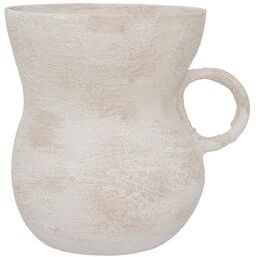
Urban Nature Culture Vase RelaxedQuiet elegancy comes to life in Urban Nature Culture's vase Relaxed. Handmade in Portugal, this ceramic vase has a shape beyond anything you've seen - it's organic, it flows and steals your heart with its playful ear.123,40 $*Shipping: 0,00 $Secure redirect to the provider



-
What are natural or near-natural ecosystems?
Natural or near-natural ecosystems are areas of land or water that have not been significantly altered by human activity. These ecosystems are characterized by a high degree of biodiversity and are home to a wide variety of plant and animal species. They are often self-sustaining and have complex interactions between different organisms and their environment. Examples of natural or near-natural ecosystems include old-growth forests, coral reefs, and wetlands. These ecosystems are important for maintaining ecological balance and providing essential services such as clean water, air, and habitat for wildlife. **
-
How can I motivate myself to learn natural sciences, history, and culture?
To motivate yourself to learn natural sciences, history, and culture, you can start by setting specific and achievable goals for each subject. Break down the topics into smaller, manageable chunks and reward yourself when you reach each milestone. Additionally, find ways to make the learning process enjoyable, such as watching documentaries, visiting museums, or participating in hands-on experiments. Surrounding yourself with like-minded individuals who share your interests can also provide motivation and support. Finally, remind yourself of the value of gaining knowledge in these areas and how it can contribute to your personal and intellectual growth. **
-
How do natural, artificial, and nature-identical flavorings differ from each other?
Natural flavorings are derived from plants, animals, or microorganisms and are not chemically altered. Artificial flavorings are chemically synthesized and do not come from natural sources. Nature-identical flavorings are chemically identical to natural flavors but are synthesized in a laboratory rather than extracted from natural sources. Each type of flavoring has its own set of regulations and guidelines for use in food products, and they can vary in terms of taste, cost, and availability. **
-
Does the natural occurrence of the hydrogenation of substances exist in nature?
Yes, the natural occurrence of hydrogenation does exist in nature. For example, the hydrogenation of unsaturated fats in the presence of enzymes is a natural process that occurs in the human body during digestion. Additionally, certain microorganisms are capable of carrying out hydrogenation reactions as part of their metabolic processes. Therefore, hydrogenation is not solely a man-made process, but also occurs naturally in various biological systems. **


What is the difference between a natural event, a natural risk, and a natural disaster?
A natural event refers to a naturally occurring phenomenon, such as an earthquake or a hurricane. A natural risk is the potential for loss or harm resulting from a natural event, such as property damage or loss of life. A natural disaster occurs when a natural event leads to significant damage, destruction, or loss that exceeds the ability of the affected community to cope and recover without external assistance. **
Can natural smooth hair be turned into natural curls?
Yes, natural smooth hair can be turned into natural curls through various methods such as using curling irons, hot rollers, or flexi rods. Additionally, chemical treatments like perms can also be used to permanently change the texture of the hair from smooth to curly. It's important to note that these methods can cause damage to the hair if not done properly, so it's best to consult with a professional stylist before making any drastic changes to your hair texture. **
Top-Angebote
Products related to Natural:
-
Little Partners Explore N Store Learning Tower - NaturalThe Explore N Store Learning Tower has been designed with the guiding principles of hands-on learning in mind, bringing children to counter height to encourage exploration, independence and interaction with parents and older siblings. Its compact...144,49 $*Shipping: 0,00 $Secure redirect to the provider
-
Urban Nature Culture Vase RelaxedQuiet elegancy comes to life in Urban Nature Culture's vase Relaxed. Handmade in Portugal, this ceramic vase has a shape beyond anything you've seen - it's organic, it flows and steals your heart with its playful ear.123,40 $*Shipping: 0,00 $Secure redirect to the provider
-
What is John Locke's state of nature and natural law?
John Locke's state of nature is a hypothetical scenario in which individuals exist without any form of government or societal structure. In this state, individuals have natural rights to life, liberty, and property, and are free to pursue their own interests without interference. Locke's natural law is the principle that governs the state of nature, emphasizing the protection of individual rights and the promotion of peace and cooperation among individuals. Locke believed that the purpose of government is to preserve and protect these natural rights, and that individuals have the right to overthrow a government that fails to do so. **
-
What is the difference between natural, nature-identical, and artificial flavorings?
Natural flavorings are derived from sources found in nature, such as fruits, vegetables, herbs, and spices. Nature-identical flavorings are chemically identical to those found in nature, but are synthetically produced. Artificial flavorings, on the other hand, are entirely man-made and do not exist in nature. While natural and nature-identical flavorings are often preferred for their perceived health benefits, artificial flavorings are typically used when a specific flavor cannot be obtained from natural sources. **
-
What are natural or near-natural ecosystems?
Natural or near-natural ecosystems are areas of land or water that have not been significantly altered by human activity. These ecosystems are characterized by a high degree of biodiversity and are home to a wide variety of plant and animal species. They are often self-sustaining and have complex interactions between different organisms and their environment. Examples of natural or near-natural ecosystems include old-growth forests, coral reefs, and wetlands. These ecosystems are important for maintaining ecological balance and providing essential services such as clean water, air, and habitat for wildlife. **
-
How can I motivate myself to learn natural sciences, history, and culture?
To motivate yourself to learn natural sciences, history, and culture, you can start by setting specific and achievable goals for each subject. Break down the topics into smaller, manageable chunks and reward yourself when you reach each milestone. Additionally, find ways to make the learning process enjoyable, such as watching documentaries, visiting museums, or participating in hands-on experiments. Surrounding yourself with like-minded individuals who share your interests can also provide motivation and support. Finally, remind yourself of the value of gaining knowledge in these areas and how it can contribute to your personal and intellectual growth. **
Similar search terms for Natural
-
Urban Nature Culture Vase Talvi - WhiteFloating the sea waves, a sense of calm takes over, feeling at home in the world. That same feeling we get at home, like a safe haven to relax our senses and feast our eyes on our most cherished things.267,80 $*Shipping: 0,00 $Secure redirect to the provider
-
Urban Nature Culture Vase Ace - AceSetting forth a tradition that is centuries old, pottery has ever been one of Portugal's trades. Urban Nature Culture loves to work with Portuguese artisans - who use their skills to combine modern looks and contemporary design with techniques of old.145,60 $*Shipping: 0,00 $Secure redirect to the provider
-
How do natural, artificial, and nature-identical flavorings differ from each other?
Natural flavorings are derived from plants, animals, or microorganisms and are not chemically altered. Artificial flavorings are chemically synthesized and do not come from natural sources. Nature-identical flavorings are chemically identical to natural flavors but are synthesized in a laboratory rather than extracted from natural sources. Each type of flavoring has its own set of regulations and guidelines for use in food products, and they can vary in terms of taste, cost, and availability. **
-
Does the natural occurrence of the hydrogenation of substances exist in nature?
Yes, the natural occurrence of hydrogenation does exist in nature. For example, the hydrogenation of unsaturated fats in the presence of enzymes is a natural process that occurs in the human body during digestion. Additionally, certain microorganisms are capable of carrying out hydrogenation reactions as part of their metabolic processes. Therefore, hydrogenation is not solely a man-made process, but also occurs naturally in various biological systems. **
-
What is the difference between a natural event, a natural risk, and a natural disaster?
A natural event refers to a naturally occurring phenomenon, such as an earthquake or a hurricane. A natural risk is the potential for loss or harm resulting from a natural event, such as property damage or loss of life. A natural disaster occurs when a natural event leads to significant damage, destruction, or loss that exceeds the ability of the affected community to cope and recover without external assistance. **
-
Can natural smooth hair be turned into natural curls?
Yes, natural smooth hair can be turned into natural curls through various methods such as using curling irons, hot rollers, or flexi rods. Additionally, chemical treatments like perms can also be used to permanently change the texture of the hair from smooth to curly. It's important to note that these methods can cause damage to the hair if not done properly, so it's best to consult with a professional stylist before making any drastic changes to your hair texture. **
* All prices are inclusive of VAT and, if applicable, plus shipping costs. The offer information is based on the details provided by the respective shop and is updated through automated processes. Real-time updates do not occur, so deviations can occur in individual cases. ** Note: Parts of this content were created by AI.